LOAD-BEARING WALLS

Load-Bearing Walls, by Linda B. Myers
Published by Finishing Line Press, 2026
Semi-finalist, 2025 Finishing Line Press Open Chapbook Contest
Review by Laura E. Garrard

Linda B. Myers is among the poets in my Port Angeles, Washington circle. Still, we were surprised to learn that we both had entered Finishing Line Press’ 2025 Open Chapbook Competition and were offered contracts. Since then, we’ve learned more about one another, though, honestly, I had appreciated her debut poetry collection, Load-Bearing Walls, before I learned that she is as candid and clever as her poetry. The author of ten novels now gifts readers with this moving, hard-hitting chapbook.

Myers dedicates her book to the “load-bearing walls [that] support one another” but told viewers (during an interview filmed in December 2025), that these supports “may not be the best for you.” This points to the type of stories that show up in this collection of well-crafted, achingly honest poems. The first lines of the title poem read “Consider my starting point: / Body beached wreckage, knee bent as driftwood.”

In Load-Bearing Walls, Myers describes the challenges of caretaking, dealing with dying friends and spouse, bodily and mental disease, environmental fire catastrophes, and aging. Myers uses humor, ire, and wit to breathe into grief. She also includes narratives from earlier times. The poems are free verse except for one stunning, coming-of-age pantoum, titled, “Autumn of ’63,” in which she seamlessly intertwines Kennedy’s assassination with the “innocence that died that day on a grassy knoll.” A young feminist-in-the-making appears in a childhood story about cowboy films in “Saddle Up”; and camaraderie leaning toward “seduction” with a male colleague, shows up in “Rainmakers.”

When I interviewed Myers, I learned that she’d led a successful advertising and marketing career during the Madman era, a time when women more often became teachers or secretaries. This experience appears in “Rainmakers,” a poem with stanzas headed with slogans, such as “Business sense is real.” She writes, “Like traveling preachers we led them to the promised land, / the heights of business class where they so longed to belong.” A physical line isn’t crossed on business trips, but readers feel the tension between the two characters in this line, “Skin electric to each other’s gesture . . .”

Myers’ work speaks to those who’ve been traumatized like myself (I have been dealing with a chronic blood cancer) by affirming that we aren’t alone and using eloquent language, images, and descriptions to do so. I wanted to sit beside “Watermelon Girl” on the concrete and cry with her when, exhausted from caretaking, she opens her car hatch only for a watermelon to roll onto the driveway and split open. In this poem, Meyers writes, “I’m too hot, too tired till crows scold me to move.” Yet, “the storm passes” and she eats the center of the melon with her hands, “sticky juice drizzling down my chin, / consuming the heart like a hunter.” I found Watermelon Girl’s strength to carry on inspiring: “Wiping my fingers on my cotton shirt I bend, / lift the grocery bags and climb the stairs.”

Myers’ collection includes a series of elegies with endearing descriptions such as Barry’s “XL essence” in the poem “Phone Ghost.” Myers further writes,

One of my favorite poems in the book, “21,000 Days,” reflects on the passing of Myers’ mother. In the poem, the narrator visits her mother’s coffin containing the departed’s daily dairies, which speak to her: “She breathes her memories into my heart.” In an action of self-grace, the narrator decides to remove the twelve dairies and “carry her history home,” by saving words that should not “be buried alive, these words that outlast writers.”

Myers elegizes her husband in several poems. A startling confession in the short poem, “Bedtime,” is “If you should die before I wake, / I will not pray for you.” In “An Unkindness of Words,” she offers a rebuttal after the death. To his words, “I don’t love you anymore,” the caretaker retorts, “I am crazed as an old enamel vase laced with blue veins, / but the vessel and I both still hold water.” Finally, the poet tenderly memorializes her husband with the release of his ashes in “Peninsula Currents”:

He dances invisibly in the fiber of this nurturing land.
He’ll not leave nor will I 
a place with greater sense of found than lost.

Collectively, these poems show how our support for one another is the most important source of love that we can rely on in a world that is “caging brown babies” (in, “Load-Bearing Walls”). Frustration is evident in the lines, “I shake my arthritic fist until even I / am tired of me.” The poem poses that a “way to someplace new” might be a “Sanctuary for old women” who “listen, / take strength from those overcoming damage.”

Whether found riding on the back of a scooter in Hawaii or attending jury duty in a small town in Washington, the stories in Load-Bearing Walls, light “campfires,” that show how the “rise” of the “thing with feathers … hasn’t flown from us yet.”
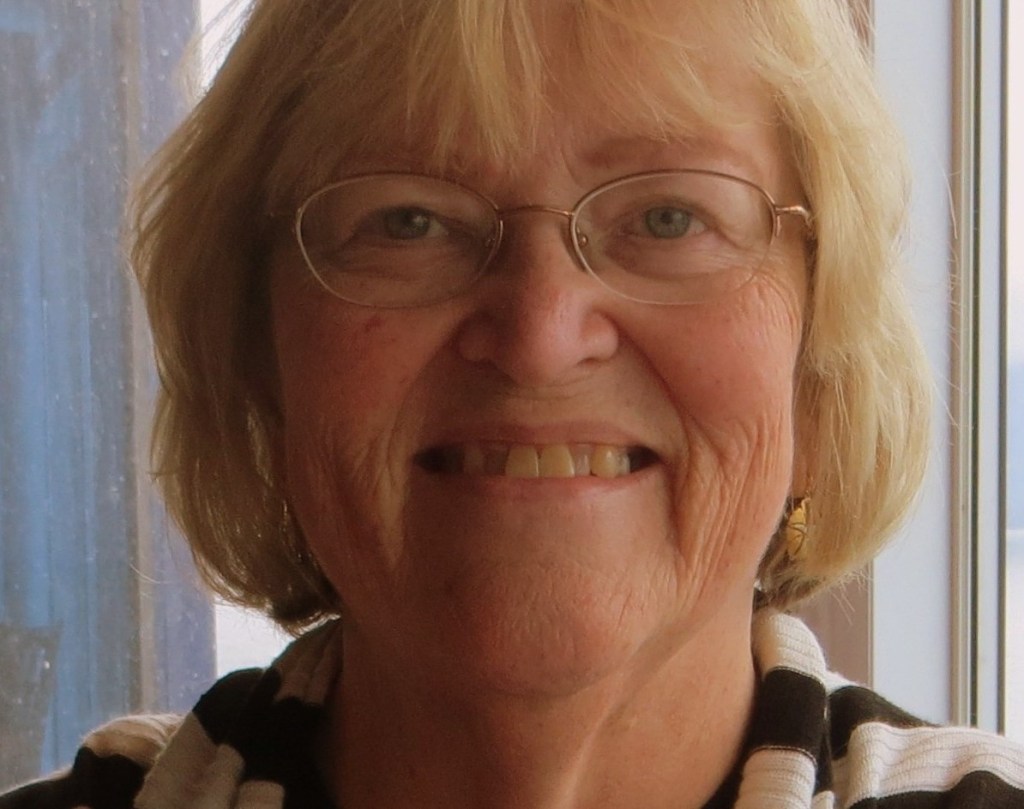


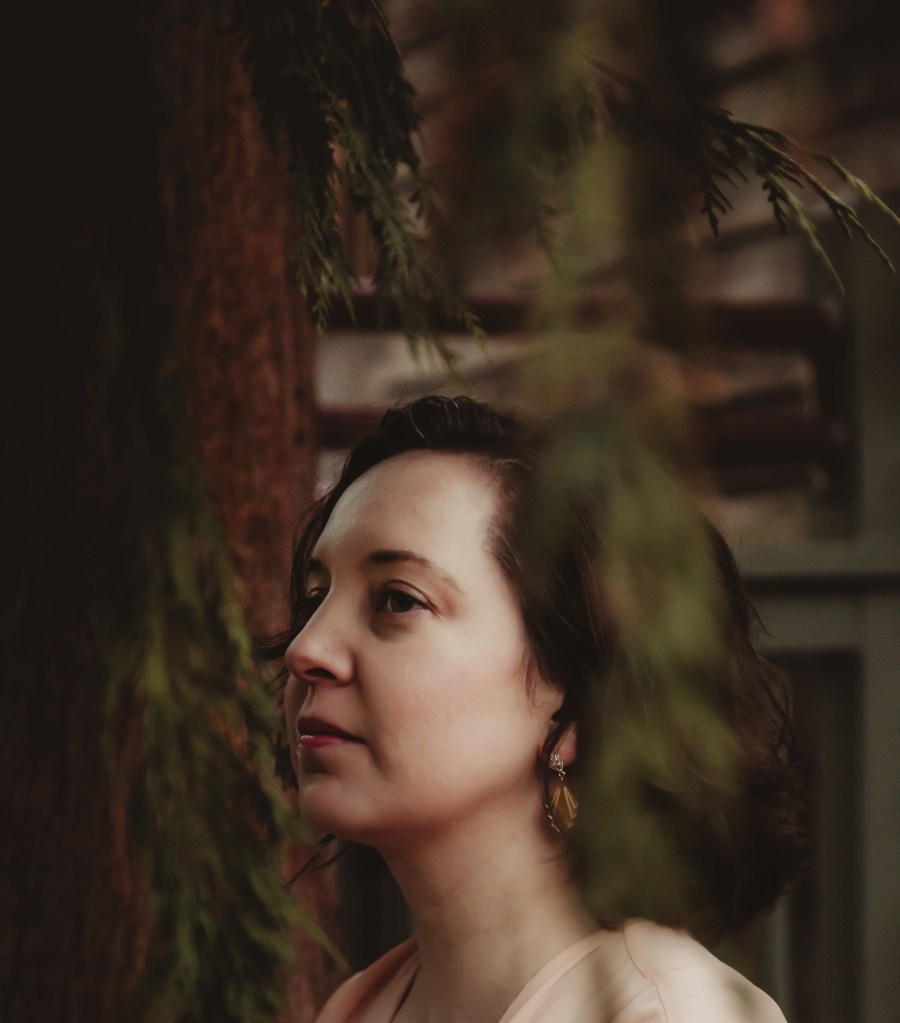
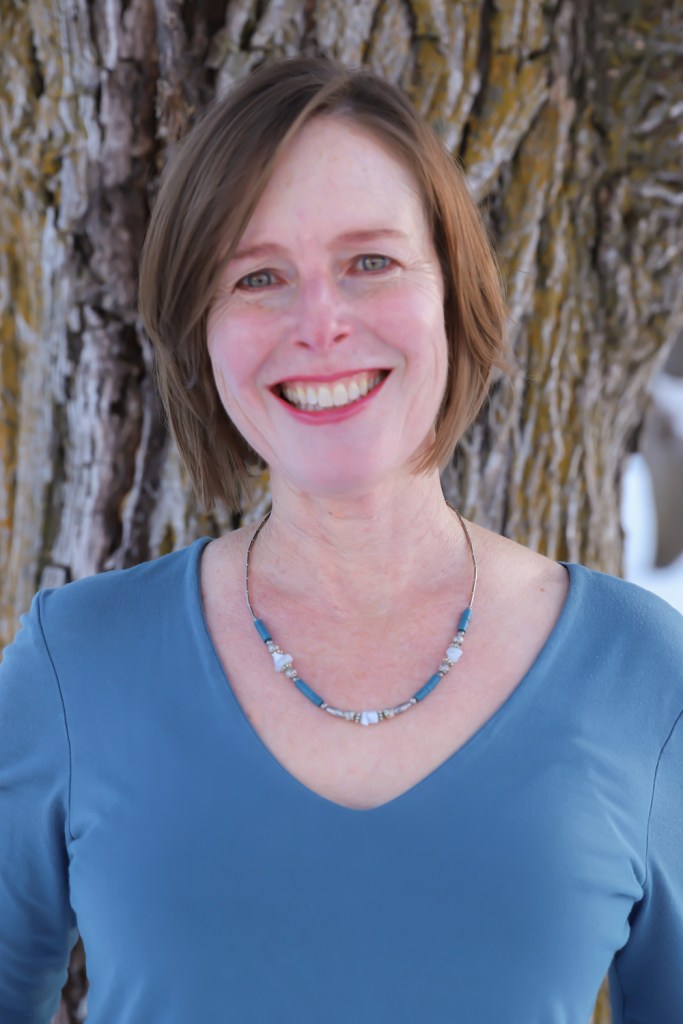
Linda B. Myers traded snow boots for rain boots and moved from a marketing career in Chicago to Washington’s Olympic Peninsula where she is now part of the Old Growth. She has Indy published ten novels, writes a monthly op/ed piece for the Sequim Gazette, and is a co-founder of Olympic Peninsula Authors, a group devoted to promoting the many fine authors out here in the wild. Load-Bearing Walls from Finishing Line Press is her first poetry chapbook. Her poetry has also appeared in Cirque Literary Journal of the Pacific North Rim, Poetry Breakfast, Unleash Lit, Empty Bowl’s Madrona Series, and several other anthologies. Reach her at: LindaBMyers.com. Photo credit: Donna Whichell
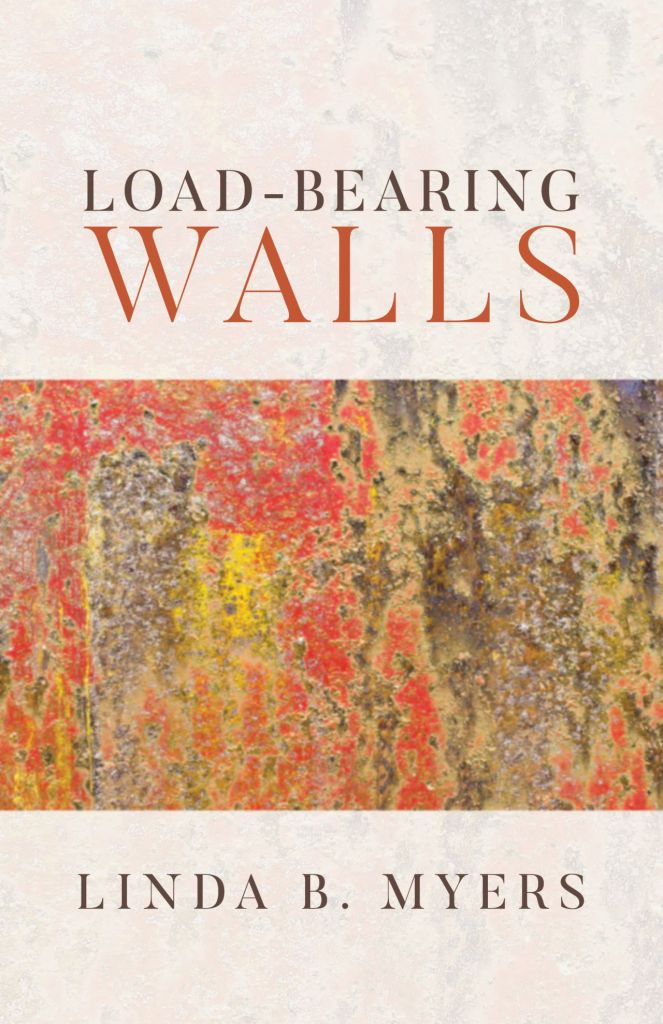

Load Bearing Walls, by Linda B. Myers
Publisher: Finishing Line Press
38 pp., $17.99


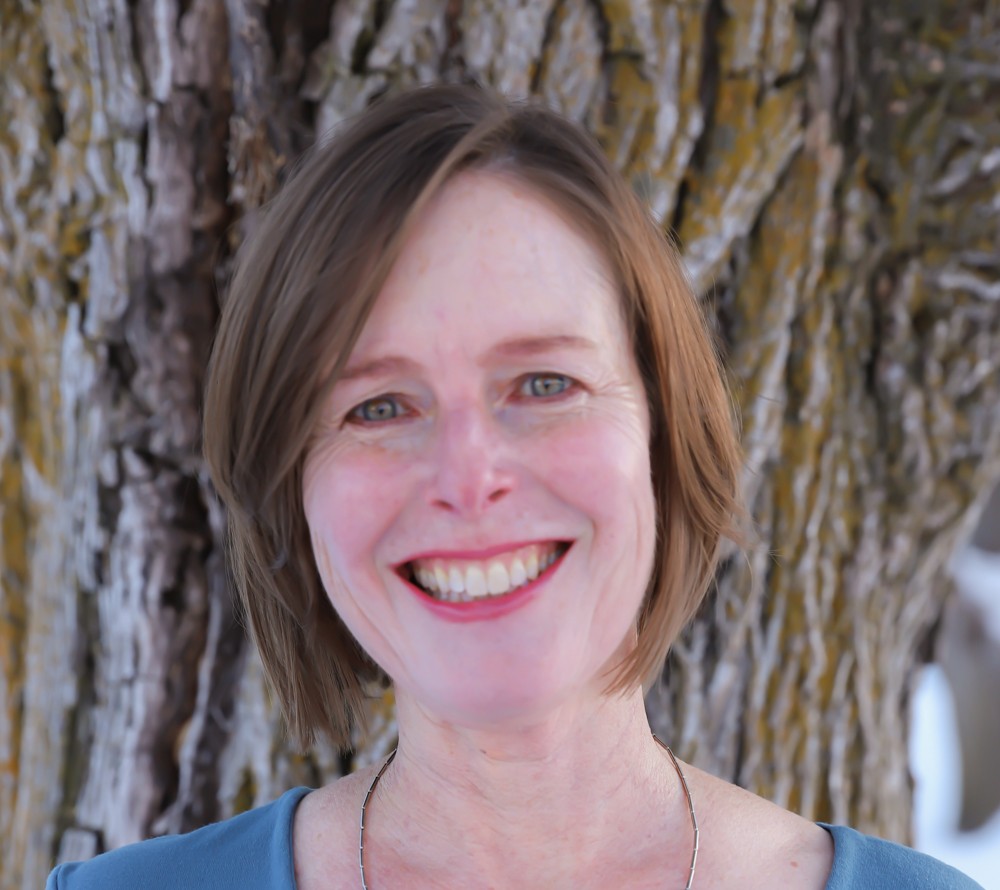
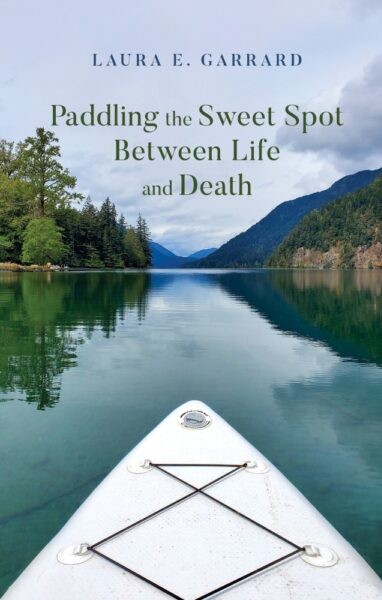
Laura E. Garrard is a CranioSacral Therapist on the Olympic Peninsula. Her poetry has appeared in journals such as Bellevue Literary ReviewAmethystThe Madrona Project, Silver Birch, and Pangryus. Her chapbook, Paddling the Sweet Spot Between Life and Death, is available through Finishing Line Press. Winner of the Merit Prize for the 2024 Stories That Need to be Told Contest and Pushcart Prize nominee with TulipTree Publishing, she has also been a finalist for the John and Eileen Allman Prize for Poetry. She’s written a series, Poetry That Fits, on Penn Medicine’s OncoLink.org and holds a master’s degree in journalism. Reach her at: LauraEGarrard.com Photo credit: Amy Collett

Note: See also “A Conversation with Laura E. Garrard,”
Lauren Davis in conversation with Laura E. Garrard, author of Paddling the Sweet Spot Between Life and Death, Finishing Line Press, 2026

A Conversation with Laura E. Garrard

Lauren Davis in conversation with Laura E. Garrard,
author of Paddling the Sweet Spot Between Life and Death,
Finishing Line Press, 2026


Lauren Davis: Congratulations on the publication of your debut chapbook Paddling the Sweet Spot Between Life and Death (Finishing Line Press, 2026), which the poet Tess Gallagher has called “a true teaching of how to live daily on the shifting edge of our own mortality and that of those we love.” Truly, this is a book that looks impermanence straight on. Can you tell us a little bit about how this book came to be?

Laura E. Garrard: This book is an offspring of a full-length poetry memoir about my initial cancer experience (2020-23) interspersed with nature-focused poems. Poems appear in this book that were not part of the full-length narrative, some of them having been published. A number received repeated comments about how readers related to them, regardless if they had cancer or not. The book begins with the title poem “Paddling the Sweet Spot”—which addresses the fleeting balance of flowing smoothly in life’s waters (“the sweet spot not easy to maintain”) and, I think, the crux of a cancer experience (the balance of being responsible and accepting within the medical realm but also remaining hopeful and true to oneself). From here, the poems proceed according to my emotional progression.

Readers may notice how my thoughts about my own death evolve from shock, to grief, and to acceptance of it as a natural cycle alongside living, playing, and observing. The reader travels with the speaker through this arc of the book and her observations of and participation in nature. Living in the present, sharing grief with one another, and loving, are the speaker’s priorities as a living person who is also dying. We are all simultaneously living and dying, no matter how quickly or slowly death comes. Why fear what is inevitable and spend precious energy on worry? Notice how the barn swallows play as the sun sets, how feeding and nurturing the next generations consume them. Notice how salmon give themselves to death even as they lay and fertilize eggs. Are they focused on birth or death? Most likely birth.

Living in the present, sharing grief with one another, and loving, are the speaker’s priorities as a living person who is also dying.

LD: In your poem “Sailing in the Sunshine,” which explores the “sweet spot of flow called letting go” between will and acceptance, you mention “the peaceful present.” Could you speak to your process of letting go when writing poetry and publishing a book, and how the present moment informed that process?

LEG: Interesting questions. The incentives to submit poems for publication and to present a chapbook are two-fold. I have always desired to be published and share my writing, and I want to provide a voice on behalf of those who face similar challenges. These poems have been instrumental as I learned from indelible moments. I believe others may feel validated.

Launching my work into the public realm is a type of letting go. I had to let go of pride, self-protection, and some of my privacy. I thought long about how I might feel reading these poems to others in person and how others may respond. I tested the waters locally as a featured author for Olympic Peninsula Authors’ Open Mic and determined I could bring these messages without causing myself mental and emotional harm or breaking down while reading them. I found myself resilient and others very receptive. The poems aren’t all tearjerkers, mind you. Some are very uplifting and joyful, strong and irreverent. But I lived through these moments, and they challenged me.

Becoming published is service both to myself (sharing experiences and achieving a dream) and to others (offering my voice and circumstances for a shared identity). Opening myself up to rejection in the submission process requires present-mindedness. The focus needs to be on what comes, not on what doesn’t come. This process of patience isn’t easy, especially with such heartfelt material. Not taking things personally is a form of letting go. This is a lesson I aim to learn.

LD: Where did you find inspiration while compiling these poems? Did you turn to any specific authors or books?

LEG: Inspiration spilled from my cancer experience and the weight of a possible decreased lifespan. Nature and its beings speak to me as well, tell me to become present and turn off churning thoughts. I am living in the moment when I cast my gaze upward, climb into a tree, and seek the sublime, like the joyful antics of dolphins and barn swallows at play. I awoke in the middle of the night composing the poem about the life of a rock, “A Life Worth Remembering.” I wrote the entire poem within my mind before rising from bed and composing it again on the computer. I wrote “The Only Else There Is, the Breath” after crying on my shins on the cold brick, begging healing from God. When the tears dried, I came off the floor and began doing Qi Gong. This was a survival instinct to move past a moment of despair. I have lived these moments, and they seemed important to record.

I have lived these moments, and they seemed important to record.

The poetry muse lives within the poet artist, and I don’t always know how a poem came to me, just that it’s here—a thought, a recognition, a personal revelation. Poems seem to have their own lives that poets capture and hone. Poets don’t create in a vacuum, however. Certainly, my writing groups influenced my work, especially an ongoing workshop with poet Gary Copeland Lilley. This chapbook’s poems are flavored through my mentors from Centrum workshops as well. I have studied with Holly J. Hughes, Tess Gallagher, Alice Derry, Matthew Olzmann, CMarie Fuhrman, Claudia Castro Luna, and others. Their classroom reading selections influenced my work, no doubt, but I haven’t emulated a particular poet or style.

The title, “Homage to My Radiated Hip,” shouts out to Lucille Clifton, whose concise work and hard-hitting subjects I admire. Ultimately, though, I believe these poems are written in my unique voice, an upwelling from personal fear, loss, and relief.

LD: If you could leave your reader with one final thought or word, what would it be?

LEG:  I hope that readers reduce their fear in relation to dying and become inspired to stand against ableism, or discrimination against those with illness or disabilities. I did not share my work to receive responses of “how sad” but for potentially “how inspiring.” I’ve already been through these moments. I do not dwell on my death date, an unknown to all of us. I am not interested in sympathy. I am interested in others receiving validation through reading my collection, and to further understanding of the emotions that come with being diagnosed with a terminal or chronic disease and dealing with the stigmas of having cancer.

I did not share my work to receive responses of “how sad” but for potentially “how inspiring.”

When we share openly, we gain strength in our experiences rather than feeling alone in them. I would encourage readers to embrace trust within the unknown as best they can, and let that steer them rather than fear. This is not an aim toward perfection but a returning to, again and again. My wake-up call may serve others. When I reread this collection and my full-length book, I am reminded of the gift of raw uncertainty, the lack of security, which drives the ability to live in the present through heightened observation.


Laura E. Garrard is a CranioSacral Therapist on the Olympic Peninsula. Her poetry has appeared in journals such as Bellevue Literary Review, Amethyst, The Madrona Project, Silver Birch, and TulipTree Review. Her chapbook, Paddling the Sweet Spot Between Life and Death, is available through Finishing Line Press. Winner of the Merit Prize for the 2024 Stories That Need to be Told Contest with TulipTree Publishing, she has also been a finalist for the John and Eileen Allman Prize for Poetry. She writes a series, Poetry That Fits, on Penn Medicine’s OncoLink.org, and she holds a Master’s Degree in Journalism. Learn more at LauraEGarrard.com.


Paddling the Sweet Spot Between Life and Death by Laura E. Garrard
$15.99 Pre-order Price Guarantee until January 30, 2026
RESERVE YOUR COPY TODAY
This title will be released on March 27, 2026


Lauren Davis is the author of The Nothing (YesYes Books), Home Beneath the Church (Fernwood Press), When I Drowned, and the chapbooks Each Wild Thing’s ConsentThe Missing Ones, and Sivvy. She holds an MFA from the Bennington College Writing Seminars.


Risa Denenberg is the curator at The Poetry Cafe Online.